

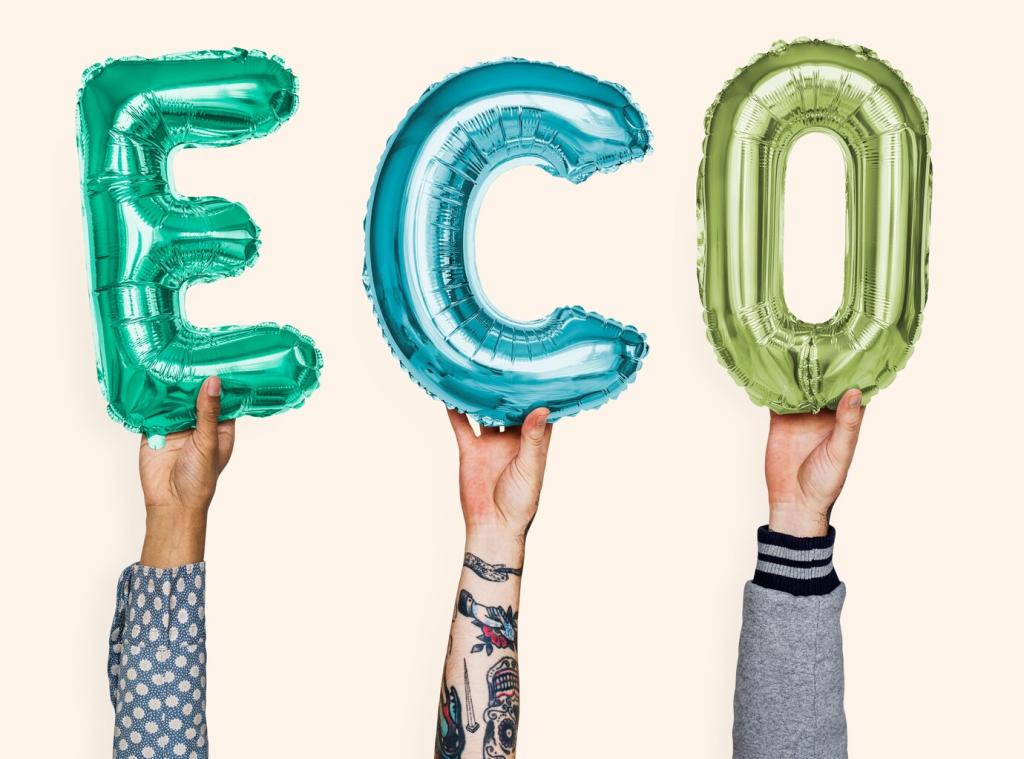


Effective Copywriting Techniques for Eco Products — Engage, Convince, and Inspire Change

Chosen theme: Effective Copywriting Techniques for Eco Products. Discover practical, human-centered strategies that speak to eco-conscious buyers, reduce skepticism, and turn good intentions into consistent, meaningful action.

Know Your Eco Buyer Deeply

Map motivations beyond “green”

Eco shoppers rarely buy for one reason. Some want healthier homes, others love beautiful design with less waste, and many simply value durability. Write to layered motivations—comfort, pride, savings, and social impact—so readers feel seen rather than squeezed into a one-size-fits-all sustainability script.

Surface friction and objections early

Tackle the tough questions before doubt grows. Address concerns like price, performance, and convenience in your headers, FAQs, and microcopy. When you acknowledge trade-offs upfront, eco-curious readers relax, explore more deeply, and feel respected rather than managed by marketing gloss.

Build Benefit-First Value Propositions

Say what life looks like with your product. “Cleaner air at home in two weeks” beats “HEPA-grade filtration.” Translate compostable, refillable, or plant-based features into sensory benefits—fresh scent, easier routines, fewer headaches—so the promise feels tangible, not theoretical.

Sustainable Storytelling That Feels True

Avoid vague beginnings. Describe the beach cleanup where a detergent bottle cracked in your hands, or the late-night prototype that finally held a seal. Specific, sensory details stick in memory and convey stakes, commitment, and the personal reasons you kept going.

Proof That Persuades Without Hype

Name the certification, why it matters, and what it does not guarantee. Use everyday language and link to the issuing body. This clarity prevents misinterpretation, reduces skepticism, and helps conscientious readers feel informed enough to take the next step confidently.

Proof That Persuades Without Hype

Translate carbon savings or water reductions into everyday equivalents. “One year of use equals charging your phone for six months” is more vivid than raw grams of CO₂. Pair visuals with a short paragraph so the metric lands emotionally and logically at once.


This is the heading

Lorem ipsum dolor sit amet, consectetur adipiscing elit. Ut elit tellus, luctus nec ullamcorper mattis, pulvinar dapibus leo.

This is the heading

Lorem ipsum dolor sit amet, consectetur adipiscing elit. Ut elit tellus, luctus nec ullamcorper mattis, pulvinar dapibus leo.

Intent clusters for eco queries

Group keywords by intention: learning (“what is compostable packaging”), comparing (“best plastic-free shampoo”), and buying (“refillable hand soap near me”). Write pages that directly answer each intent, then connect them with internal links so discovery naturally leads to decision.

Content formats that earn links organically

Create resources people want to reference—impact calculators, city-by-city recycling guides, or myth-busting explainers. Pair them with concise product tie-ins at the end. Useful tools travel further than slogans and bring qualified visitors primed for values-aligned purchases.

Email and social prompts that build community

Invite readers to subscribe for bite-sized eco challenges and behind-the-scenes updates. Ask followers to share their simplest sustainable swap this week. Highlight selected responses, credit contributors, and gently point back to relevant products without breaking the community conversation.
Chronogun
Privacy Overview

This website uses cookies so that we can provide you with the best user experience possible. Cookie information is stored in your browser and performs functions such as recognising you when you return to our website and helping our team to understand which sections of the website you find most interesting and useful.