

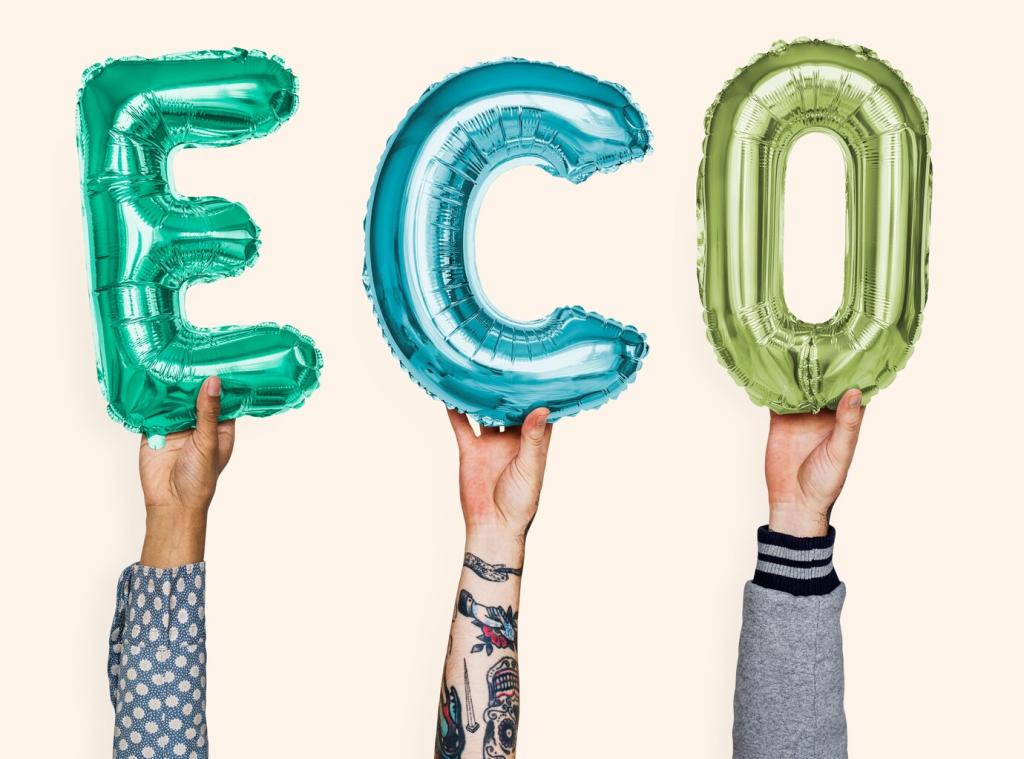




Writing Green That Wins: Eco-Friendly Copywriting Strategies for Home Products

Chosen theme: Eco-Friendly Copywriting Strategies for Home Products. Explore practical storytelling, credible claims, and conversion tactics that honor the planet and the people at home. Join the conversation, share your wins, and subscribe for weekly inspiration.

Segment Personas by Motivations, Not Demographics

Group audiences by what moves them—cost savings, health for children, aesthetics, or waste reduction—rather than age or income alone. Tailor copy to the core motivation behind each purchase decision to keep messages precise, respectful, and compelling.

Map Emotions Along the Home Journey

Chart moments of doubt and delight across discovery, purchase, first use, and repeat orders. Anticipate friction—like confusion over compostable packaging—and write reassuring, specific guidance that removes uncertainty, builds confidence, and encourages sustainable habits at home.

Invite Feedback Loops That Inform Copy

Ask customers which phrases built trust and which sounded vague. Use on-site polls and post-purchase emails to capture language they naturally use, then mirror those words in headlines, bullets, and microcopy to boost clarity and conversions.
Refer to trusted certifications like ENERGY STAR, FSC, GOTS, or OEKO-TEX, but translate their meaning in plain English. Tell readers exactly what each certification covers, and link to a verification page for transparent, independent confirmation.

From Claims to Confidence: Make Sustainability Verifiable

Numbers That Matter: Data in Headlines and Microcopy

Lead with comparisons that hit home: “Cuts dryer time by 28%,” “Saves 42 gallons per month,” or “Removes 1,500 single-use bottles yearly.” Make numbers concrete, time-bound, and tied to typical household routines and budgets for immediate clarity.
Explain what you’re comparing against: a typical incandescent bulb, a conventional detergent dose, or average municipal water hardness. Briefly note assumptions and sources so readers trust the math, then link to your methodology for transparency and credibility.
Place bite-sized prompts near actions: “Refill packs reduce packaging by 82%,” “Cold wash works with this enzyme blend,” or “Return empties—prepaid label inside.” Keep it warm, concise, and useful, supporting confident choices at the exact moment of decision.

Findable and Trustworthy: SEO for Green Home Brands

Target intent-rich phrases like “refillable glass cleaner non-toxic,” “compostable sponges home use,” and “energy-saving space heater small apartment.” Balance informational and transactional searches, and map each to helpful, truthful pages with clear next steps.

Community Proof: Stories That Spread

Tell the story of Maya, who swapped disposable dryer sheets for wool balls and saved twenty minutes per laundry day. Include her apartment size, machine type, and climate so readers see themselves and trust the transferability of her results.

Community Proof: Stories That Spread

Host a thirty-day refill challenge with weekly prompts and gentle tips. Feature before-and-after photos, track bottles avoided, and spotlight creative storage hacks. Invite comments and subscriptions to keep momentum and share practical wins across the community.
Chronogun
Privacy Overview

This website uses cookies so that we can provide you with the best user experience possible. Cookie information is stored in your browser and performs functions such as recognising you when you return to our website and helping our team to understand which sections of the website you find most interesting and useful.